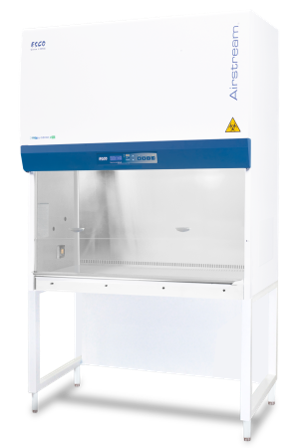
ஒரு Biosafety Cabinet என்றும் அழைக்கப்படும் Biological Safety Cabinet (BSC), முக்கியமாக நோய்க்கிருமி உயிரியல் மாதிரிகளைக் கையாளுவதற்கு அல்லது மலட்டுப் பணி மண்டலம் தேவைப்படும் பயன்பாடுகளுக்குப் பயன்படுத்தப்படுகிறது. ஒரு Biological Safety Cabinet உள்நோக்கிய மற்றும் கீழ்நோக்கிய காற்றோட்டத்தை உருவாக்குகிறது, இது இயக்குபவருக்குப் பாதுகாப்பை வழங்குகிறது. கீழ்நோக்கிப் பாயும் காற்று ஒரு ULPA/HEPA வடிகட்டி வழியாகச் சென்று, குறுக்கு-மாசுபாட்டின் அபாயத்திலிருந்து மாதிரிகளைப் பாதுகாக்க ஓர் ISO Class 3 பணி மண்டலத்தை உருவாக்குகிறது. வெளியேற்றப்படும் காற்றும் சுற்றுச்சூழலைப் பாதுகாப்பதற்காக வெளியேற்றப்படுவதற்கு முன் ஒரு ULPA/HEPA வடிகட்டி வழியாகச் செல்கிறது.
Esco Biosafety Cabinet-கள் பணித் தட்டுகள், பக்கவாட்டு பலகை அமைப்பு முதல் பாகங்கள் வரை பரந்த அளவிலான விருப்பங்களைக் கொண்டுள்ளன. Esco BSC-கள் பணிச்சூழலியல் மற்றும் ஆற்றல் சேமிப்பு அம்சங்களுடன் வடிவமைக்கப்பட்டுள்ளன.
Biological Safety Cabinet-ன் உகந்த செயல்திறனை உறுதிப்படுத்த, இவை 2 தரநிலைகளால் சோதிக்கப்பட்டு வகைப்படுத்தப்படுகின்றன: EN 12469:2000 மற்றும் NSF 49.

EN 12469
EN 12469: 2000 பயோடெக்னாலஜி - Biological Safety Cabinet-களுக்கான செயல்திறன் அளவுகோல்கள் என்பது ஐரோப்பிய தரநிலைப்படுத்தல் குழுவான CEN-ஆல் வெளியிடப்பட்ட Biological Safety Cabinet-களுக்கான புதிய இணக்கமான ஐரோப்பிய தரநிலையாகும். இந்தத் தரநிலையானது BSC-களை Class I, Class II மற்றும் Class III என வகைப்படுத்துகிறது.

NSF
ஒழுங்குமுறை சமூகத்தின் கோரிக்கையின் பேரில், Centers for Disease Control (CDC), National Institutes of Health (NIH) மற்றும் National Cancer Institute (NCI) உட்பட, NSF International (முன்னர் The National Sanitation Foundation) Biological Safety Cabinetry திட்டம் 1970-களில் தொடங்கப்பட்டது. இந்தத் தரநிலையானது Class II Biosafety Cabinet-களை காற்று சுழற்சியின் அடிப்படையில் துணை வகைகளாக மேலும் வகைப்படுத்துகிறது: Class II Type A1, Class II Type A2, Class II Type B1 மற்றும் Class II Type B2.
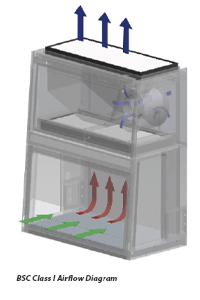
A Class I Biosafety cabinet protects the operator and the environment from exposure to biohazards. It does not prevent samples being handled in the cabinet from being exposed to contaminants that may be present in room air. Naturally, there is a possibility of cross-contamination that may affect experimental consistency. Consequently, the scope and application of Class I cabinets is limited, and it is largely considered obsolete.
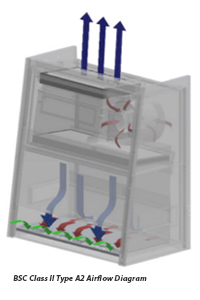
Class II Type A2
The Class II Type A2 biological safety cabinet is the most common Class II cabinet. It has a plenum from which 30% of air is exhausted, and 70% re-circulated to the work area as the downflow.
Stated from NSF/ ANSI 49:2010, both the Class II Type A1 and Type A2 must have the positively-pressurized contaminated plenum to be surrounded by negative pressure. In case there is a leakage on the positive plenum, the leaking aerosol will be pulled by the negative pressure back to the positive plenum, and it will not leak out.
In the A2 cabinet, about 70% of air from the positive plenum is recirculated as downflow, and the remaining 30% is discharged to the lab through the exhaust filter.
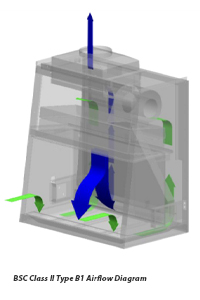
Class II Type B1
The Class II Type B1 biological safety cabinet has a common plenum from which 70% of air is exhausted, and 30% re-circulated to the work area as the downflow. This cabinet also has a dedicated exhaust feature that eliminates re-circulation when work is performed towards the back within the interior of the cabinet. Toxic chemicals employed as an adjunct to microbiological processes should only be allowed if they do not interfere with work when re-circulated in the downflow.
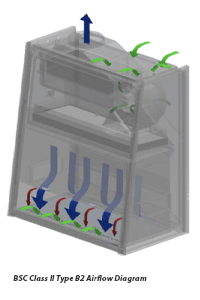
Class II Type B2
The Class II Type B2 biosafety cabinets are suitable for work with toxic chemicals employed as an adjunct to microbiological processes under all circumstances since no re-circulation occurs. In theory, Type B2 biological safety cabinets may be considered as the safest of all Class II BSCs since the total exhaust feature acts as a fail-safe in the event that the downflow and / or exhaust HEPA filtration systems cease to function normally. However, Class II Type B2 biosafety cabinets require large laboratory spaces due to their installation system and will require elaborate ducting works.
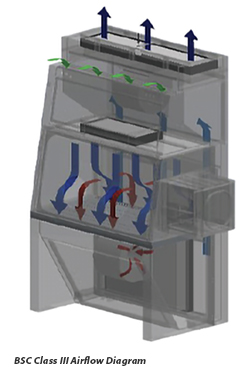
Class III Biological Safety Cabinets (BSCs) are designed for work involving microbiological agents assigned to Biosafety Levels 1, 2, 3, and 4, and are commonly specified for applications involving highly hazardous biological agents.
All work is performed through glove ports located at the front of the cabinet, ensuring complete physical separation between the operator and the work area. During normal operation, the cabinet maintains negative pressure relative to the surrounding environment. The cabinet is equipped with dual HEPA filtration on the exhaust system to provide an additional level of protection for personnel and the surrounding environment.
WHO ஆய்வக உயிரியல் பாதுகாப்பு கையேடு 4வது பதிப்பின்படி, கொடுக்கப்பட்ட சூழலின் உண்மையான அபாயமானது கையாளப்படும் காரணியால் மட்டுமல்லாமல், செய்யப்படும் செயல்முறை மற்றும் ஆய்வக நடவடிக்கையில் ஈடுபடும் ஆய்வக பணியாளர்களின் திறனாலும் பாதிக்கப்படுகிறது.
இடர் குழுக்கள் என்பது ஆய்வகத்தில் உள்ள தொற்று முகவர்கள் அல்லது நச்சுக்களால் ஏற்படும் ஒப்பீட்டு ஆபத்தை விவரிக்கும் வகைப்பாடுகள் ஆகும்.
உலக சுகாதார நிறுவனம் (WHO) இடர் குழுக்களை பின்வருமாறு வரையறுக்கிறது:
- WHO இடர் குழு 1- தனிநபர் மற்றும் சமூக ஆபத்து இல்லை அல்லது குறைவு
- WHO இடர் குழு 2- மிதமான தனிநபர் ஆபத்து, குறைந்த சமூக ஆபத்து
- WHO இடர் குழு 3- அதிக தனிநபர் ஆபத்து, குறைந்த சமூக ஆபத்து
- WHO இடர் குழு 4- அதிக தனிநபர் மற்றும் சமூக ஆபத்து
Biosafety Cabinet-கள் ஆண்டுதோறும் மற்றும்/அல்லது அவை நகர்த்தப்படும் போதெல்லாம் மறுசான்றளிக்கப்படுகின்றன.
WHO ஆய்வக உயிரியல் பாதுகாப்பு கையேடு, 3வது பதிப்பின்படி, பெரும்பாலான BSC-கள் நாளொன்றுக்கு 24 h செயல்பாட்டை அனுமதிக்கும் வகையில் வடிவமைக்கப்பட்டுள்ளன. தொடர்ச்சியான செயல்பாடு ஆய்வகத்தில் தூசி மற்றும் துகள் பொருட்களின் அளவைக் கட்டுப்படுத்த உதவுகிறது என்று கண்டறியப்பட்டது.
HEPA அல்லது ULPA வடிகட்டிகளின் மதிப்பிடப்பட்ட அடுக்கு வாழ்க்கை முறையாக சேமிக்கப்படும் போது 10 ஆண்டுகள் வரை இருக்கும்.
வடிகட்டிகள் அவற்றின் அசல் பேக்கேஜிங்கில் வைக்கப்பட வேண்டும், மேலும் ஈரப்பதம், அதிக வெப்பம், குளிர் அல்லது வேகமாக மாறும் வெப்பநிலைகளுக்கு வெளிப்படுத்தப்படக்கூடாது. இந்த வடிகட்டிகள் 95% வரை ஈரப்பதத்தைத் தாங்கக்கூடியவை; அதைவிட அதிகமாக இருந்தால் வடிகட்டி ஊடகம் அடைத்து செயலிழக்கக்கூடும்.