A Game-Changing Solution for Obesity and Diabetes: Optimizing Endogenous GLP-1 to Reduce Weekly Injections

Understanding GLP-1 and Its Physiological Importance
Glucagon-like peptide-1 (GLP-1) is an incretin hormone produced by intestinal L-cells specifically in the colon and ileum through the post-translational processing of proglucagon. Upon nutrient intake, GLP-1 is secreted into the bloodstream, stimulating glucose-dependent insulin release from pancreatic β-cells, suppressing glucagon from α-cells, slowing gastric emptying, and signaling satiety to the brain. L-cells use a variety of GPCRs and transporters that control GLP-1 secretion to sense nutrients via amino acids, sugars, and fatty acids

However, native GLP-1 has a very short half-life in circulation due to rapid degradation by dipeptidyl peptidase-4 (DPP-4). Several serious metabolic disorders can occur when GLP-1 secretion or responsiveness is compromised:
- Type 2 Diabetes Mellitus (T2DM) is due to inadequate GLP-1, which leads to uncontrolled glucagon secretion and insufficient insulin release, resulting in poor glycemic control.
- Dysregulated appetite and obesity occur because weight gain and increased food intake are caused by a weakened satiety response driven by blunted GLP-1 signaling.
- Metabolic Dysregulation (e.g., Dyslipidemia, NAFLD) because GLP-1 also acts on hepatic metabolism and lipid regulation.
Clinical Challenges in Current GLP-1 Therapy
Presently, many patients are treated with systemic GLP-1 receptor agonists (e.g., semaglutide, liraglutide) by weekly injections. These treatments work well to reduce blood sugar, increase insulin production, and cause weight loss. However, they also present important limitations:
- Adherence issues arise because frequent injections are still difficult for patients over a long period of time.
- Side effects can occur because of the high systemic levels and can result in gastrointestinal distress, nausea, and other negative effects.
- Durability is also limited, as stopping treatment often results in metabolic rebound, including weight regain and loss of glycemic control due to GLP-1 production being inhibited.
These limitations emphasize the need for a more robust, physiological GLP-1 treatment. Gene-based strategies are being pioneered by biotechnology companies RenBio and Fractyl Health to facilitate sustained GLP-1 production.
A Revolutionary Treatment for GLP-1 Delivery
Using its MYO Technology, RenBio transforms target tissues or muscle into long-term GLP-1 producers by introducing plasmid DNA encoding a GLP-1 receptor agonist. In preclinical studies presented at ASGCT, MYO-based GLP-1 delivery demonstrated long-term circulating GLP-1 levels and durable weight control in an animal obesity model.
On the other side, Fractyl Health uses an AAV-based gene therapy (RJVA-001) that targets pancreatic β-cells using a glucose-responsive promoter designed to ensure that GLP-1 is secreted only in nutrient-regulated physiological conditions. In db/db mice (T2DM model), a single administration of RJVA-001 resulted in a glucose reduction of up to ~50% and a body weight loss of ~11%, outperforming chronic semaglutide. In diet-induced obese mice, sustained weight maintenance was shown over 13 weeks post-dose. In Yucatan pig models, low-dose AAV delivery to the pancreas via endoscopically guided catheter achieved therapeutically relevant GLP-1 expression with no observed adverse safety signals.


These innovations allow single-dose treatment without multiple injections. They are mimicking the natural process of the body to release GLP-1 in response to glucose. Additionally, they enhance safety by reducing vector doses and systemic GLP-1 exposure, potentially lowering the risk of side effects and immune-related issues.
These therapies represent a promising breakthrough for obesity and type 2 diabetes by reducing the need for weekly injections and enabling the body to serve as a sustained source of GLP-1.
However, these therapies remain in preclinical or IND/CTA-enabling stages. Comprehensive analyses are still required, including immune response, transgene expression control, and long-term safety. To ensure product purity, stability, and safety, plasmid DNA-based or AAV-based products must be produced under strict GMP guidelines. Contamination-free and exact environmental control are critical to this process. Specialized lab equipment is necessary to support every phase of development.
Essential Laboratory Equipment for Reliable GLP-1 Therapeutic Development
Labs utilize two essential tools to meet these requirements: a biosafety cabinet, which enables the sterile handling of plasmid DNA and viral vectors, and a CO₂ incubator, which ensures ideal conditions for mammalian cell growth during AAV production. Key components that support reliable and GMP-aligned workflows are highlighted in the following equipment features.
Esco G4 Biological Safety Cabinet
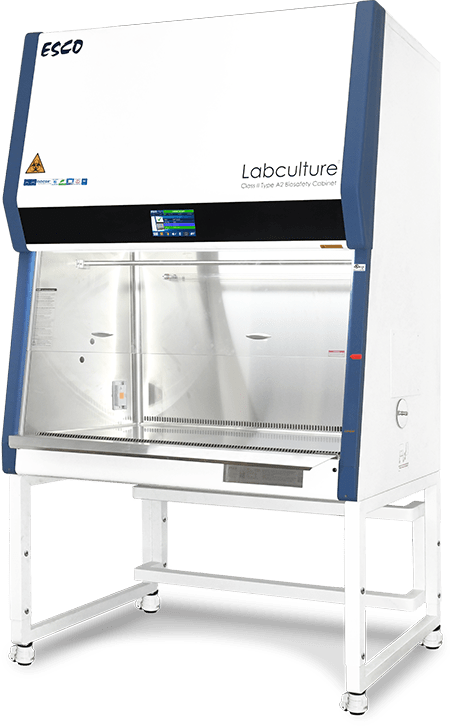
- Centurion 7" Capacitive touchscreen LCD. Easy-to-use, smartphone-like user interface
- Energy efficient DC-ECM Blower that provides stable airflow and reduce operating cost
- ULPA filter, 10x safer than HEPA, provides cleaner ISO Class 3 work zone
- Large performance envelope with the widest margin of operator and product protection
- Anti-microbial coating with silver ions to reduce bio-burden and lab contamination
- Easy to clean with curved wall corners, dished tray, tray support rods, and angled drain pan
CelCulture® Touch CO₂ Incubator

- Centurion Touchscreen Controller with 7-inch HD display. Intuitive and easy to use
- Heat-resistant CO2 IR sensor features drift-free and stays in place during decontamination
- Direct heat and air jacket system ensures rapid temperature recovery and uniform heating.
- Fast CO2 recovery after door opening
- ULPA filter to reduce contamination risk.
- The rounded chamber design for hassle-free, tool-free cleaning
References
Baggio, L. L., & Drucker, D. J. (2007). Biology of incretins: GLP-1 and GIP. Gastroenterology, 132(6), 2131–2157. https://doi.org/10.1053/j.gastro.2007.03.054
Centers for Disease Control and Prevention. (2024). Prevalence of diagnosed diabetes—United States. https://www.cdc.gov/diabetes/
Drucker, D. J. (2018). Mechanisms of action and therapeutic application of glucagon-like peptide-1. Cell Metabolism, 27(4), 740–756. https://doi.org/10.1016/j.cmet.2018.03.001
Ehmsen, S., et al. (2022). A single injection of AAV-GLP1 improves glucose regulation and reduces body weight in obese mice. Molecular Therapy, 30(5), 1921–1934. https://doi.org/10.1016/j.ymthe.2022.02.019
Fractyl Health. (2024). Rejuva® gene therapy platform overview. https://www.fractyl.com/
Haberman, N. (2024). Gene therapy to induce long-acting GLP-1 for obesity and diabetes: Preclinical advances. Nature Medicine News. https://www.nature.com/
RenBio. (2024). RBIO-101: DNA-based, single-dose GLP-1 therapy. https://www.renbio.com/
Rowlands, J., et al. (2018). GLP-1 action in the brain: From cellular physiology to neurobiology of disease. British Journal of Pharmacology, 175(21), 3977–3987. https://doi.org/10.1111/bph.14489
Xu, G., et al. (2023). Advances in GLP-1–based therapeutics: Pharmacology, efficacy, and limitations. Diabetes, Obesity and Metabolism, 25(1), 67–82. https://doi.org/10.1111/dom.14932