Integrated Cabinet Solutions: Seamless Transitions for Continuous Laboratory Operations
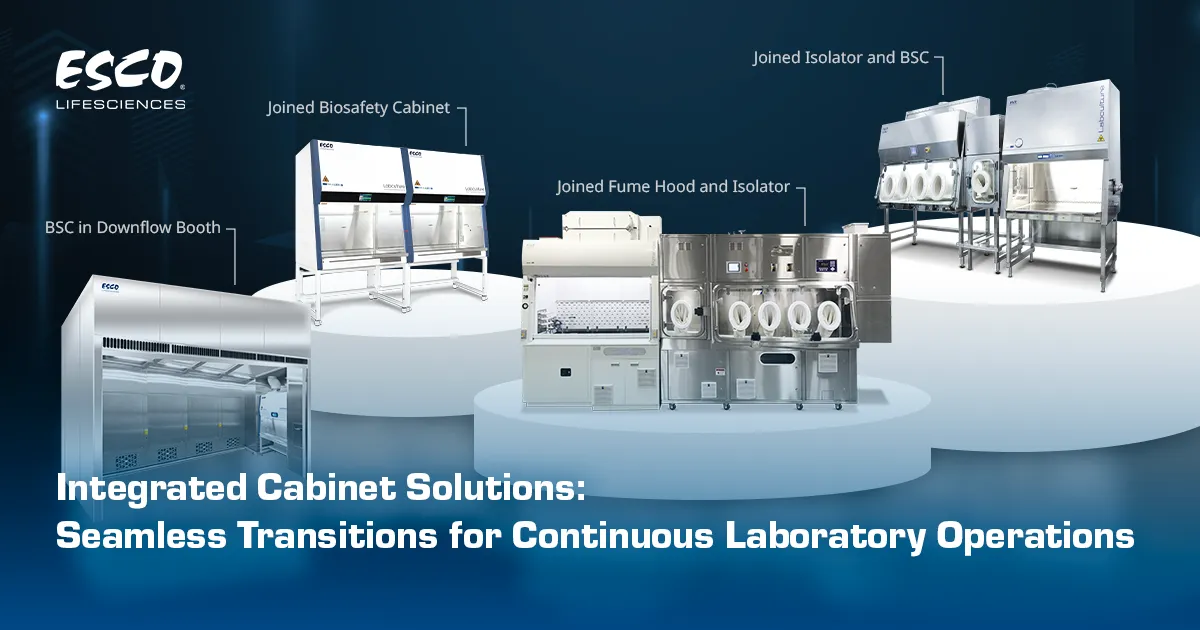
A single research workflow involves multiple steps, starting from sample handling, weighing, material transfer, filling, and many more. Each step requires different equipment with specific cleanliness levels. Many laboratories are designed based on simplified assumptions: one device, one function, one process. What if equipment could be combined to support multiple processes with minimal movement?
The Hidden Cost of Moving Samples Between Stations
In the laboratory, samples are processed through multiple stages, each requiring different levels of cleanliness, supported by specialized equipment (CDC & NIH, 2020). When these devices are housed in separate locations, samples must be repeatedly transported between stations.
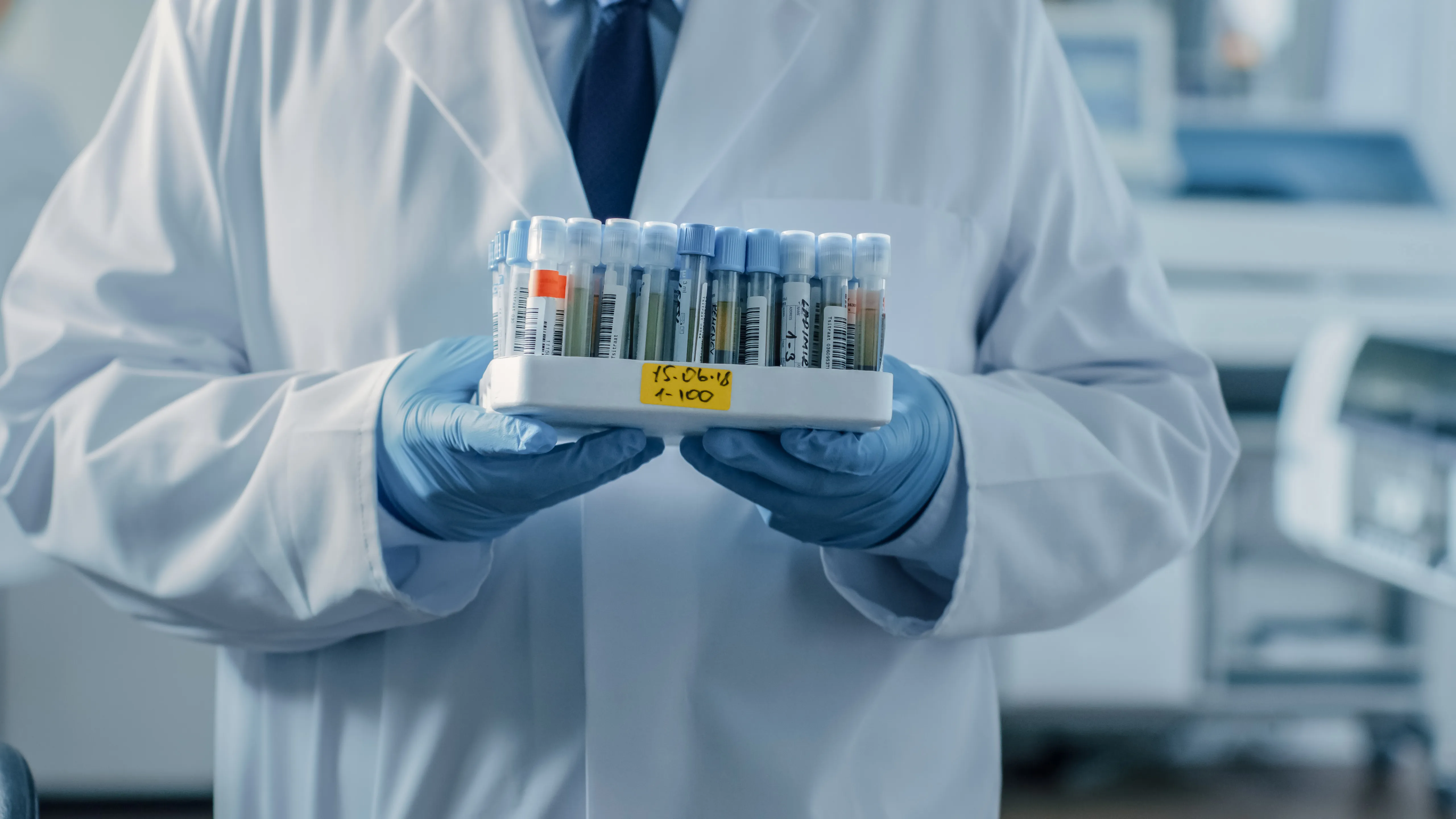
Transporting open plates or vials exposes sensitive samples to ambient laboratory air, increasing the risk of microbial or cross-contamination (Sandle, 2022). Frequent transfers also raise the probability of operator exposure to biological or chemical hazards and add repetitive handling that disrupts workflow continuity (Weidner, 2021). From an operational perspective, transporting samples disrupts laboratory logistics, slows down processing, and introduces unnecessary movement that reduces overall efficiency (Picardo, 2020).
Integrated Cabinet Configurations for Continuous Workflows
Integrated cabinet systems address these challenges by designing the laboratory around the workflow, rather than forcing the workflow to adapt to fragmented equipment layout. By physically joining complementary containment devices, samples can move through multiple steps within a continuous, protected environment. This approach minimizes manual handling, maintains consistent environmental control, and directly reduces the risks of contamination, exposure, and process variability.
Several engineered configurations are available to meet diverse research needs. Esco’s joined cabinet configurations demonstrate how multiple containment functions can be integrated into a continuous workflow.
Joined Biosafety Cabinets
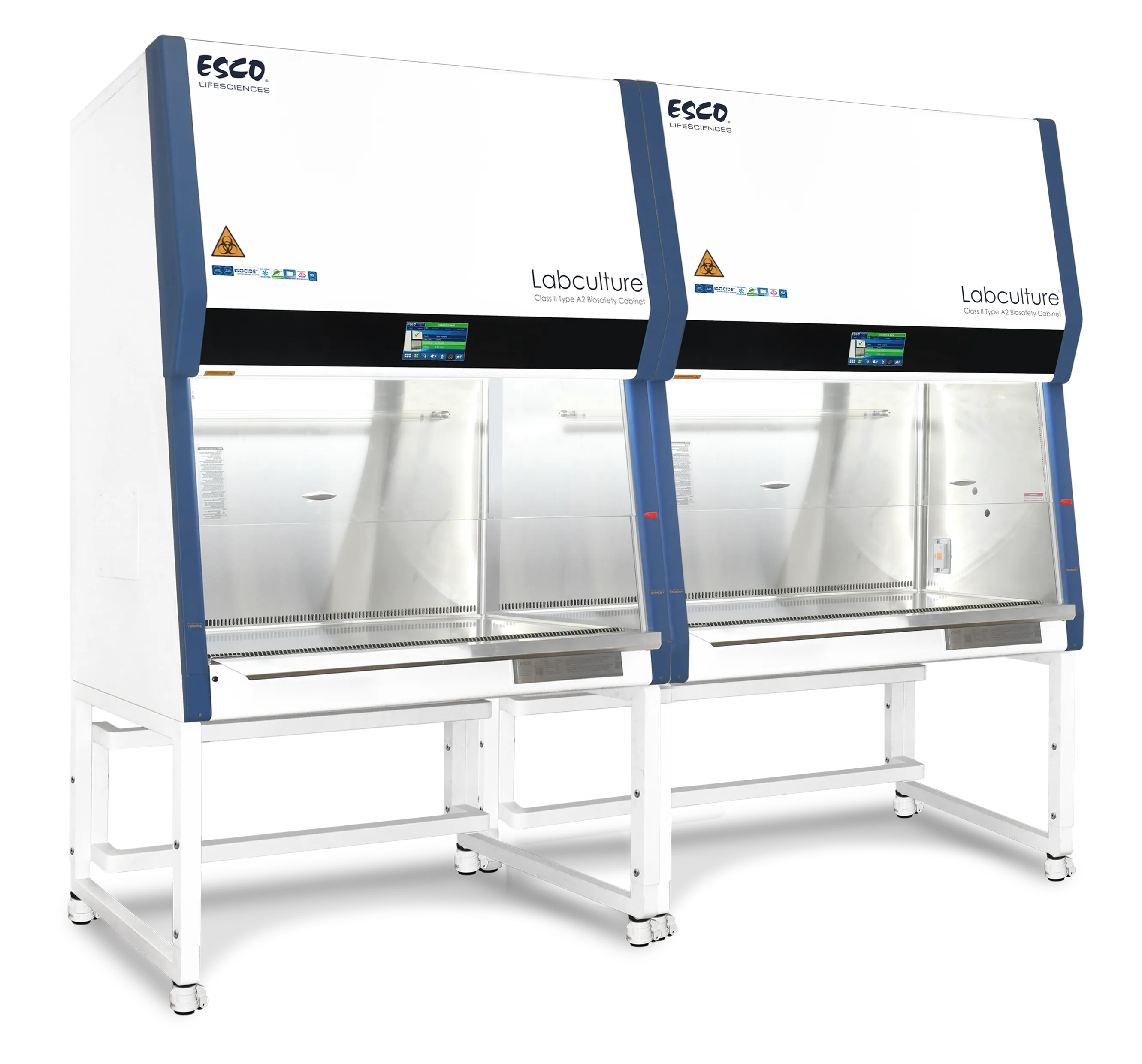
Create a unified work zone that supports parallel laboratory tasks within a single controlled environment. By physically connecting workspaces, optional features such as pass boxes can be incorporated further to reduce external sample transfers, handling, and movement.
Joined Isolator and Biosafety Cabinet
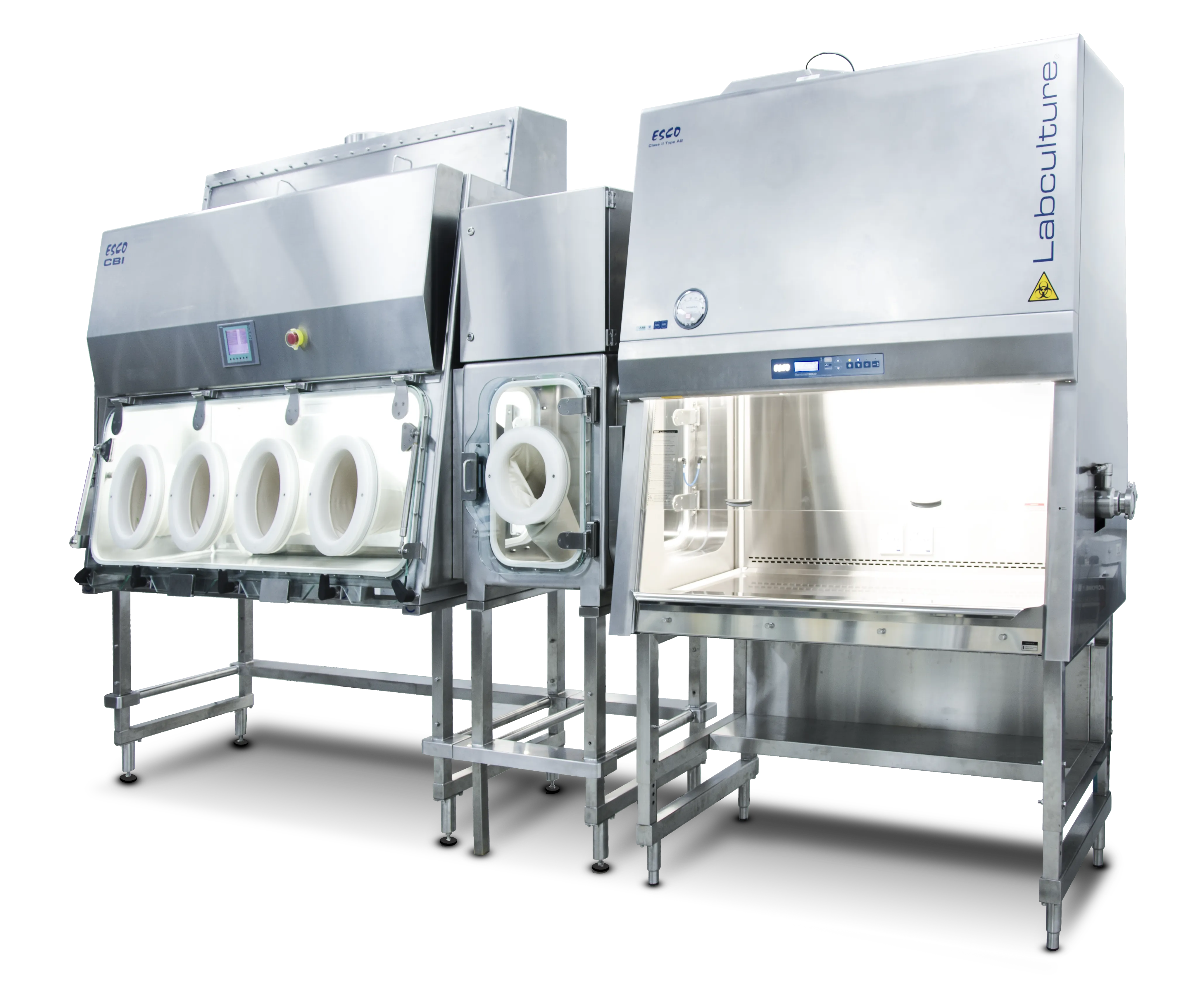
Designed for workflows that require different containment levels within a single process. By integrating high-containment isolation with clean open-access work zones, laboratories can transition materials safely and efficiently without breaking containment. This approach supports sensitive or high-risk applications while maintaining cleanliness standards.
Biosafety Cabinet in Downflow Booth
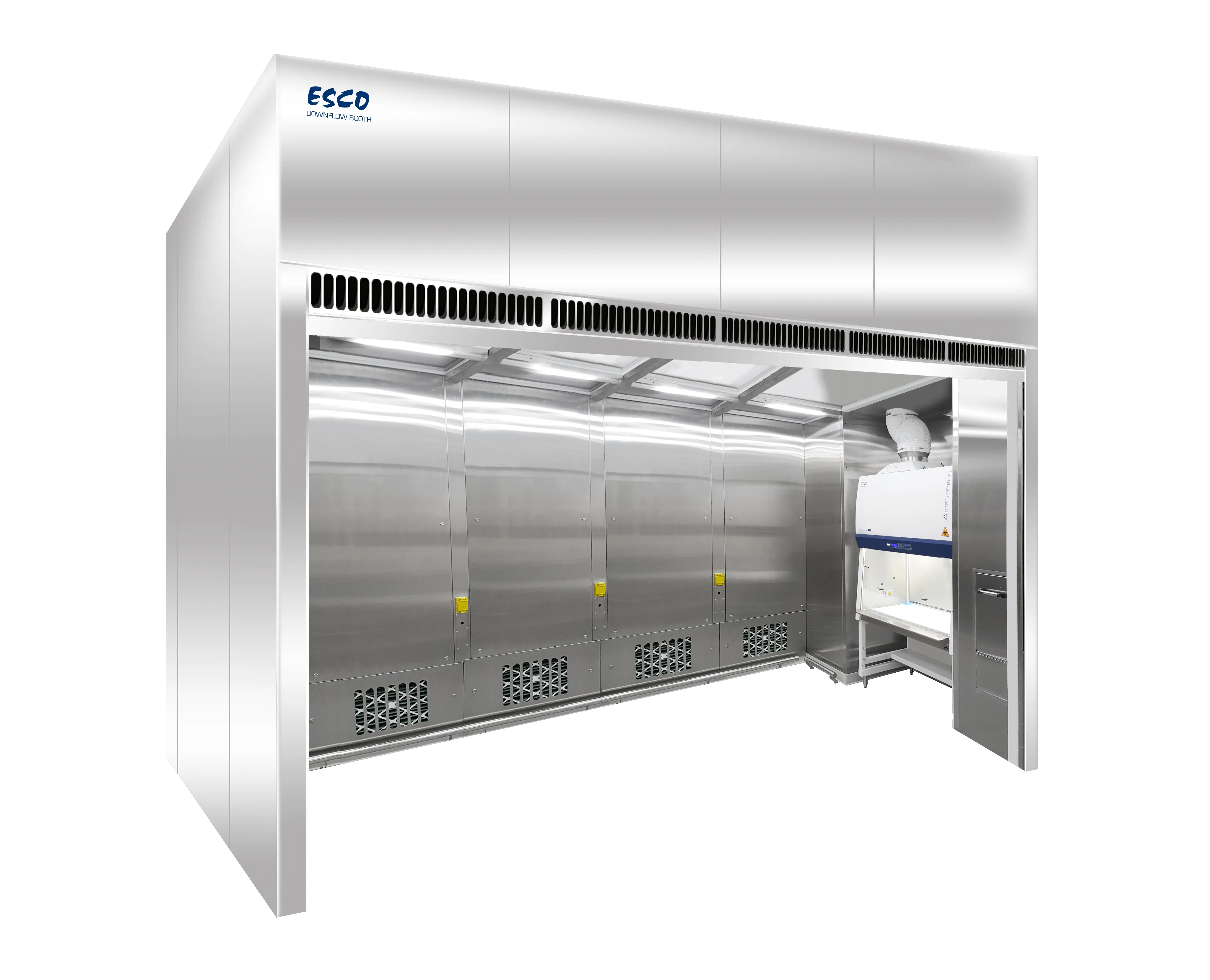
Designed for operations involving fine powders, a configuration that places a BSC inside a larger downflow booth creates a multi-stage containment zone. The DFB's vertical laminar flow captures particulates, while the internal BSC provides an ultra-clean ISO Class 3 microenvironment for critical steps.
Joined Fume Hood and Containment Isolator
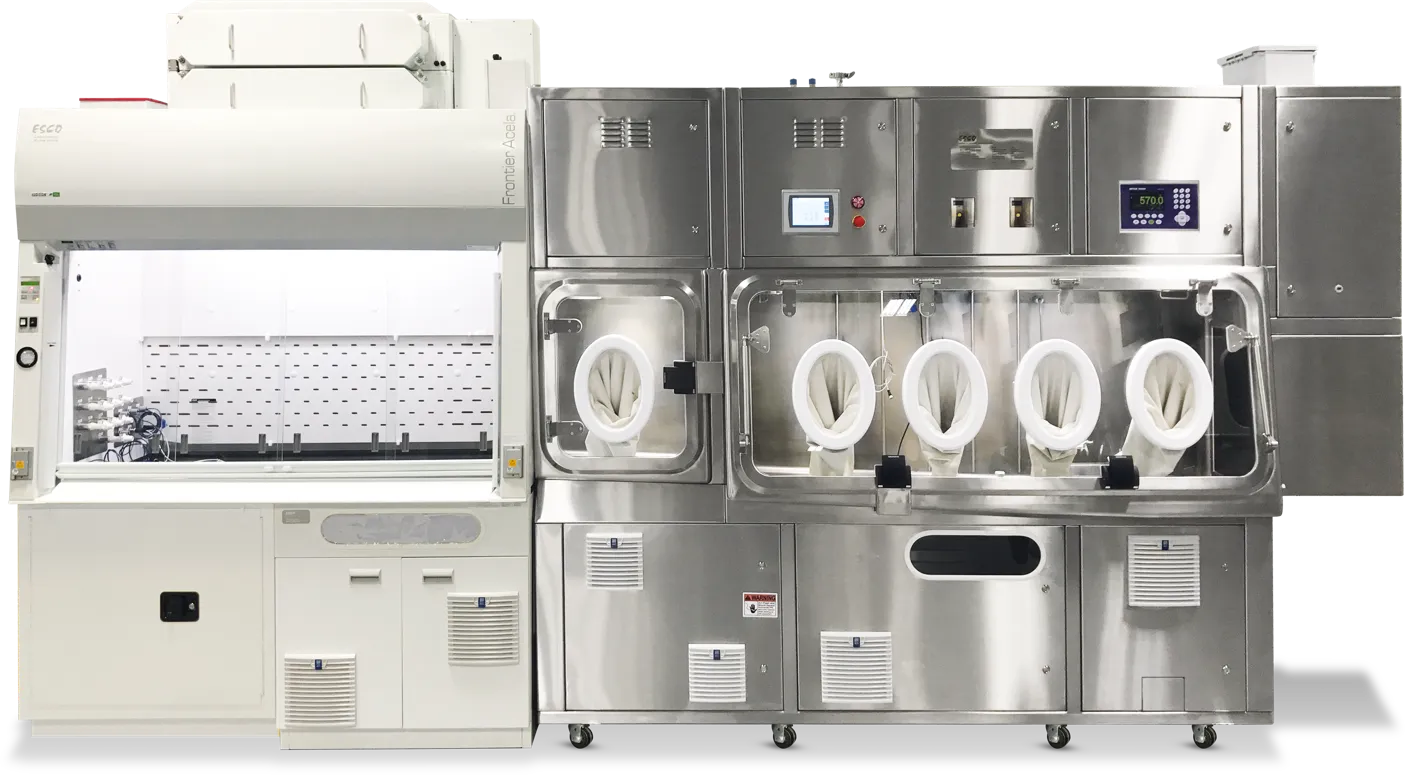
Designed for applications involving potent or volatile substances, combining a fume hood with a containment isolator enables safer handling within a controlled and integrated system. This configuration supports high-containment operations, helping reduce operator exposure and maintain containment at all stages.
Key Considerations for Implementing Integrated Systems
Successfully adopting an integrated system requires preliminary planning. This begins with mapping key multi-step workflows to identify processes best suited for integration, followed by evaluating space, HVAC capacity, and installation requirements. Integrated systems should be qualified as a single validated entity (IQ/OQ/PQ) to ensure consistent performance and regulatory compliance. By aligning equipment with real laboratory workflows, integrated containment cabinets enable safer, more efficient, and more reliable laboratory operations.
Access our free brochure for continuous workflow optimization.