The Exciting Journey of Drug Discovery: From Lab to Life-Changing Breakthrough
Imagine a world where a single molecule can prevent the spread of a deadly disease, or a protein can enhance a patient's health. Behind every life-saving drug, there's a challenging process that unites biology, chemistry, and technology to transform scientific knowledge into medical treatments. Drug discovery is the crucial initial stage of this journey.
Drug Discovery: The Gateway to Innovation
Drug discovery is a crucial stage in the drug development pipeline. Scientists apply their knowledge and skills to translate diseases into potential treatments. This important process involves the identification and refinement of compounds that may evolve into safe and effective medications. In this complex pursuit, researchers combine creativity with technical expertise, utilizing fields such as molecular biology, pharmacology, chemistry, and computational sciences to develop solutions that offer hope and healing.
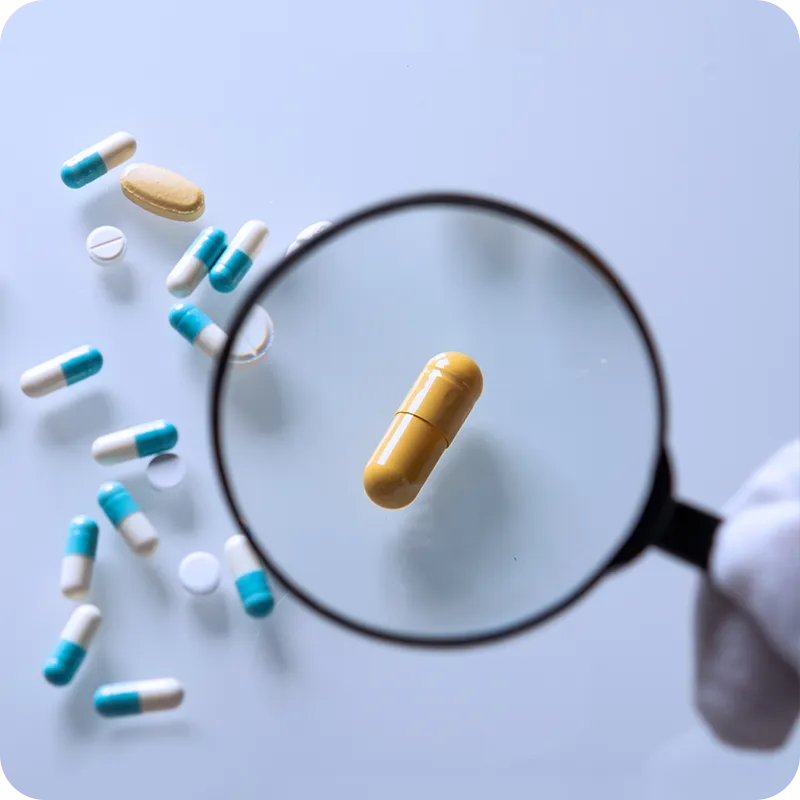
The ultimate goal of drug discovery is to identify a drug candidate that can subsequently progress into the development process. This long and methodical journey is broadly divided into the following stages:
The process begins with the isolation and characterization of a potential molecular target, such as a gene, nucleic acid, or protein implicated in a disease. The goal is to establish a clear therapeutic hypothesis. Research efforts focus on elucidating the target's biological function and its precise role in disease etiology. This stage outputs a validated hypothesis, transitioning the target from a biological association to a justified point of therapeutic intervention.
The presumed target must undergo rigorous functional validation to confirm its role in the disease phenotype. This phase is critical for de-risking downstream investment by demonstrating that target modulation directly influences disease-relevant pathways. At this stage, researchers test whether a chemical can influence the target and whether this interaction leads to a measurable biological effect. Successful validation confirms the target's functional relevance, providing the necessary confidence to initiate high-throughput screening campaigns.
With a validated target, the search begins for a chemical entity capable of eliciting the desired pharmacological response. This phase includes several key steps, such as assay development, hit identification, and hit-to-lead triage. The output is one or more lead series, chemically distinct scaffolds with confirmed activity and a minimal profile suitable for further optimization.
The goal is to enhance multiple properties simultaneously. The core iterative loop involves: Systematic chemical modification of the lead scaffold to explore the SAR in depth. This process builds an understanding of how structural changes affect biological activity. The focus is on balancing and enhancing key properties by increasing affinity for the intended target while minimizing off-target interactions. This process also involves optimizing the absorption, distribution, metabolism, and excretion (ADME) profile to achieve adequate exposure and desired bioavailability.
The Challenge and Risk
Finding novel medications remains a challenging task. Only 10–20 out of every 10,000 compounds tested proceed to the development stage, and only roughly half of those eventually make it through preclinical trials (DiMasi et al., 2016). The attrition rate is high because compounds may fail due to lack of efficacy, unexpected toxicity, poor bioavailability, or regulatory hurdles. Time and budget limitations add complexity to the situation. Developing a new drug can take 10–15 years and cost over $2.6 billion from discovery to market approval (Wouters et al., 2020). These challenges have prompted the search for more efficient approaches.
Another challenge is understanding complex diseases. For example, cancer, neurodegenerative disorders, and metabolic diseases often involve many interconnected pathways and cell interactions. This complexity makes it hard to identify a single target that can greatly impact the disease.
The path from molecules to medicine is long and challenging, but each success highlights the power of drug discovery to improve health.
How Esco Enhances the Workflow
To support this workflow, laboratories require a coordinated set of specialized equipment that enables target identification, hit discovery, lead optimization, ADME profiling, and preclinical validation. The core instrumentation essential for modern drug discovery operations includes:
Biological Safety Cabinet
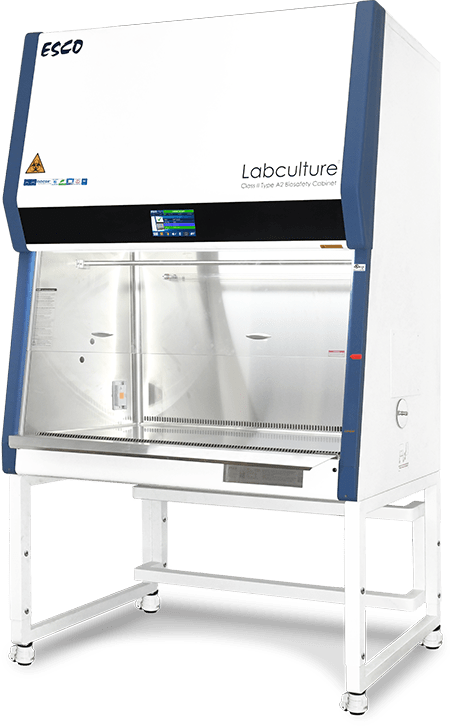
Class II biological safety cabinets provide a controlled environment for mammalian cell culture, assay development, and handling of genetically modified cell lines. HEPA-filtered airflow ensures operator and product protection.
CO₂ Incubator
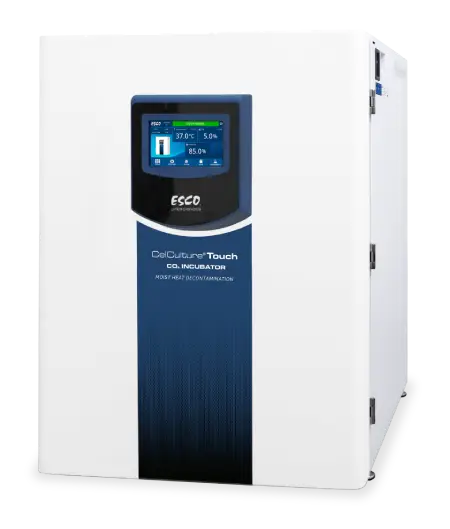
Precise control of CO₂, humidity, and temperature is required for maintaining viable and consistent cell lines used in phenotypic screening and target assays.
Fume Hood
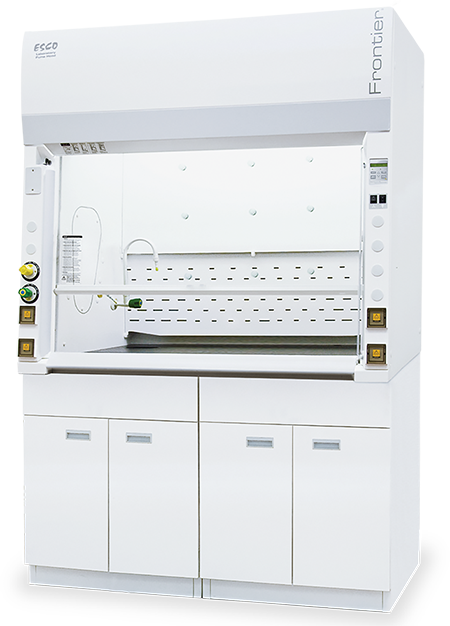
Chemical fume hoods are essential for safe handling organic solvents, reagents, and synthetic chemistry workflows.
References
- DiMasi, J. A., Grabowski, H. G., & Hansen, R. W. (2016). Innovation in the pharmaceutical industry: New estimates of R&D costs. Journal of Health Economics, 47, 20–33. https://doi.org/10.1016/j.jhealeco.2016.01.012
- Paul, S. M., Mytelka, D. S., Dunwiddie, C. T., Persinger, C. C., Munos, B. H., Lindborg, S. R., & Schacht, A. L. (2010). How to improve R&D productivity: The pharmaceutical industry’s grand challenge. Nature Reviews Drug Discovery, 9(3), 203–214. https://doi.org/10.1038/nrd3078
- Swinney, D. C., & Anthony, J. (2011). How were new medicines discovered? Nature Reviews Drug Discovery, 10(7), 507–519. https://doi.org/10.1038/nrd3480
- Wouters, O. J., McKee, M., & Luyten, J. (2020). Estimated research and development investment needed to bring a new medicine to market, 2009–2018. JAMA, 323(9), 844–853. https://doi.org/10.1001/jama.2020.1166