Is Your Cell Culture at Risk? 4 Tips to Prevent Cell Culture Contamination
Maintaining a controlled and contamination-free environment in cell culture is essential to ensuring the reliability and reproducibility of experimental results.
The consequences of contamination extend beyond compromised cell viability. Contaminated cultures can generate misleading experimental data, disrupt research timelines, and result in significant financial losses through wasted materials, reagents, and resources (Bright-Ohaeri et al., 2024).
As a significant part of cell culture research takes place inside CO₂ incubators, these instruments are often among the first suspects when contamination occurs. However, the presence of contamination does not necessarily mean that the incubator is its source. Contamination control involves more than a single piece of equipment, and the risk does not begin when cultures enter the incubator or end when they are removed.
Your CO₂ incubator is at the heart of this workflow, but even the most advanced incubator cannot compensate for a broken link.
Tip #1: Know the Types of Cell Culture Contamination
Cell culture contamination can be broadly classified into physical, chemical, biological, and cross-contamination. Understanding these categories helps laboratories identify potential risks and implement appropriate prevention strategies.
Physical Contamination
Physical contamination involves the introduction of foreign materials into the cell culture environment. Common contaminants include dust particles, fibers, plastic debris, glass fragments, and residues from laboratory equipment. Even microscopic particles can interfere with cell growth, alter experimental conditions, and compromise research outcomes (Dervisevic et al., 2022).
Chemical Contamination
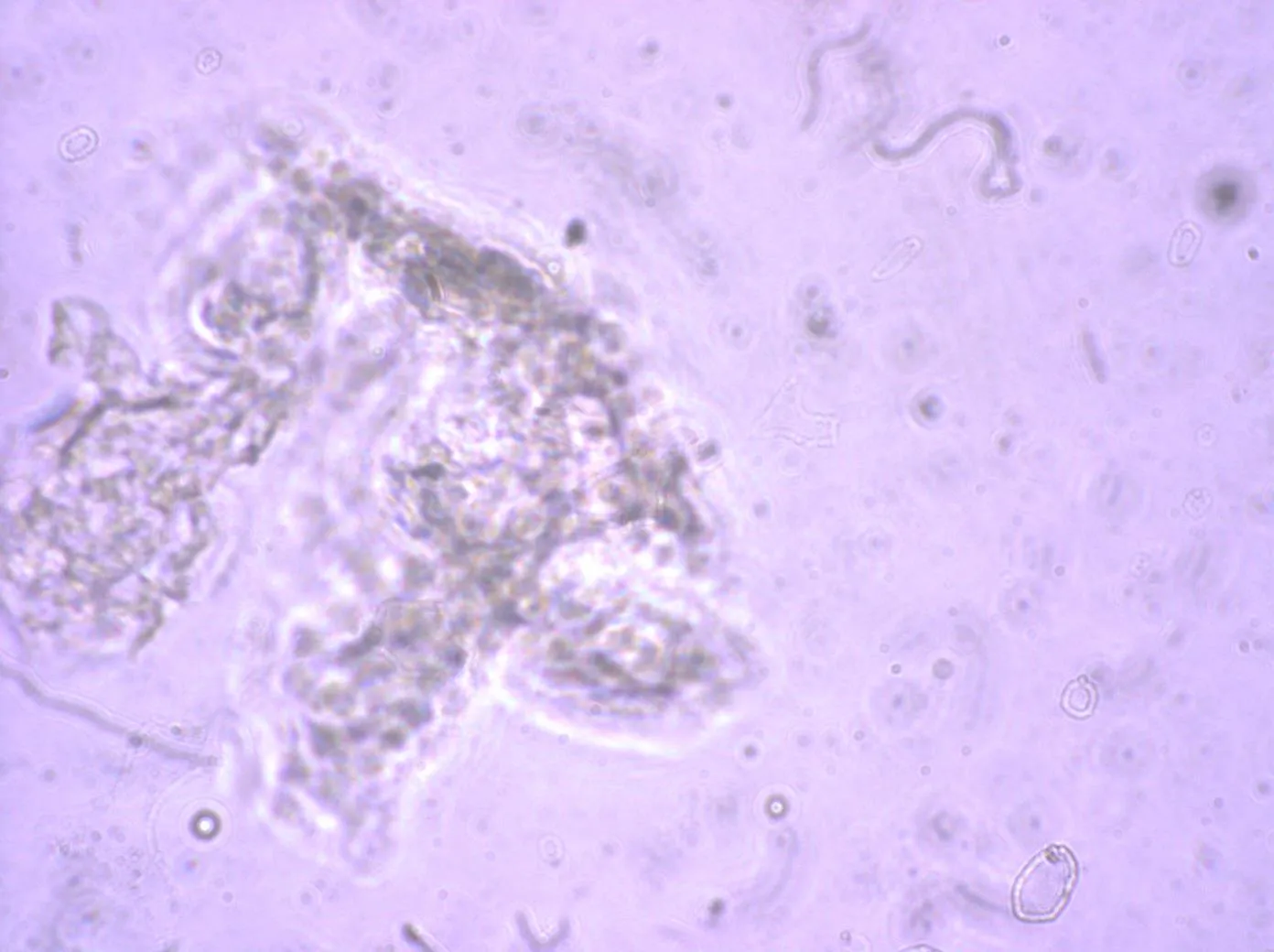
Chemical contamination occurs when unwanted substances enter cell culture media, sera, reagents, or other components.
Potential sources include manufacturing residues, improperly stored reagents, preparation errors, and chemical residues from laboratory equipment. Bacterial endotoxins, particularly those originating from Gram-negative bacteria, can also adversely affect cell viability and function (Bright-Ohaeri et al., 2024).
Because chemical contaminants may not produce obvious visual changes, their effects can sometimes remain undetected until experimental results are affected.
Image description: Contaminated Fetal Bovine Serum
Biological Contamination
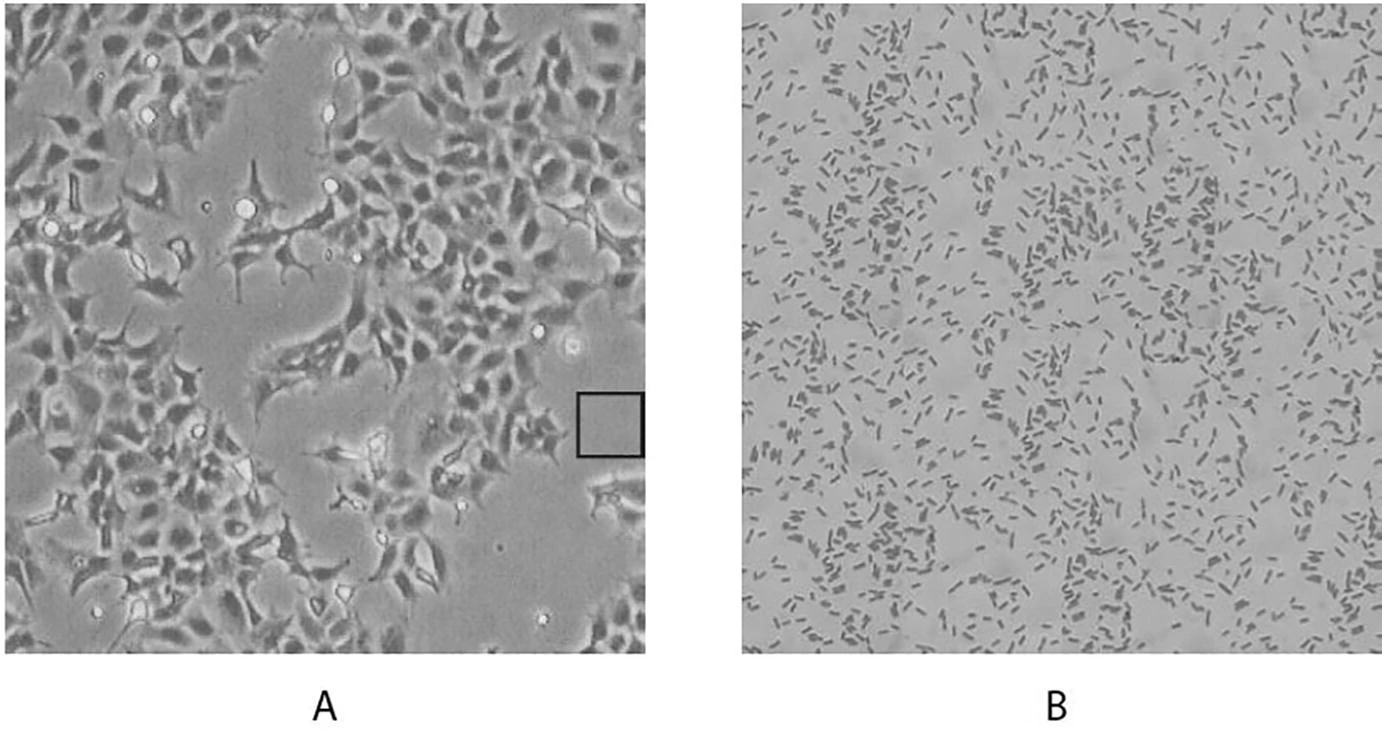
Biological contamination involves the presence of unwanted living organisms, including bacteria, fungi, yeasts, viruses, algae, protozoa, and mycoplasmas.
Some contaminants may cause visible changes, such as cloudy media, altered pH, or unusual growth patterns. However, not all biological contaminants produce recognizable signs.
For example, mycoplasma contamination can remain undetected during routine microscopy while significantly affecting cellular behavior and experimental outcomes. Other contaminants may cause cell death, alter morphology, or interfere with cellular processes (ATCC, 2021).
Cross-Contamination by Other Cell Cultures
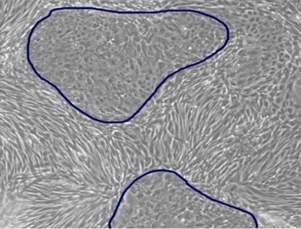
Cross-contamination occurs when one cell population unintentionally enters another culture, resulting in a mixed or misidentified cell population (Bright-Ohaeri et al., 2024).
Cross-contamination may be difficult to detect through routine visual inspection and can severely compromise the validity of research findings. Proper cell-line identification, segregation, and authentication are essential to preventing this problem.
Image description: Cross-contamination with the invading cells surrounded by the blue line
Tip #2: Know the Common Sources of Contamination
Contamination can originate from multiple points throughout the cell culture workflow. Identifying where contaminants enter the process is essential to preventing their introduction and spread.
Contamination risks may arise before cultures enter the CO₂ incubator and continue throughout incubation.
Select an icon to see how contamination can start there.
Culture Preparation: Improper media preparation, contaminated reagents, or inadequate storage conditions.
Laboratory Handling: Poor aseptic technique, improper pipetting, or accidental contact with non-sterile surfaces.
Consumables and Equipment: Contaminated culture vessels, improperly cleaned equipment, or residues from previous laboratory activities.
Personnel: Inadequate PPE practices or contamination transferred through gloves, clothing, and other contact surfaces.
Sample Management: Inadequate labeling, improper cell-line segregation, or accidental cell-line mix-ups.
Incubator Handling: Frequent or unnecessary door openings, introducing contaminated culture vessels, or spills and accumulated residues within the chamber.
Incubator Maintenance: Inadequate chamber cleaning, maintenance, or contaminated water pans and humidification components, where applicable.
Laboratory Environment: Shared laboratory equipment and inadequate housekeeping that may introduce contaminants during preparation or incubation.
Frequent door openings can also disturb temperature, humidity, and gas conditions, potentially affecting culture stability.
It is important to recognize that contamination can originate from numerous sources throughout the workflow. Although a CO₂ incubator provides a controlled environment for cell growth, it cannot compensate for contaminated cultures, compromised aseptic technique, or improperly managed reagents.
Tip #3: Know How to Prevent Contamination in Cell Culture
Effective contamination control requires a combination of preventive measures, including appropriate sterilization, environmental monitoring, and aseptic handling, alongside responsive strategies for managing contamination events. Establishing standard operating procedures (SOPs) and providing regular personnel training can help reduce contamination risks and improve research reliability.
Personal Protective Equipment (PPE)
Proper PPE helps reduce the introduction of contaminants from personnel into the cell culture environment.
Laboratory coats, gloves, and other protective equipment should be selected and used according to laboratory procedures and risk assessments. Gloves should be disinfected or replaced when appropriate, particularly after contact with potentially contaminated surfaces (ATCC, 2021).
Sealed Culture Vessels
Appropriately designed culture vessels and closures help reduce contamination risks during storage, transport, and incubation.
However, vessel closures must be compatible with the requirements of the culture system. For example, some culture vessels require gas exchange and should not be sealed in a manner that compromises their intended function.
Careful handling and minimizing unnecessary exposure of open cultures remain essential (Bright-Ohaeri et al., 2024).
Proper Handling Practices
Consistent aseptic technique is one of the most important measures for preventing contamination.
Best practices include:
- Avoiding mouth pipetting and using appropriate pipetting equipment.
- Using dedicated or appropriately managed equipment for different cell lines.
- Maintaining a clean work area.
- Avoiding contact between sterile materials and non-sterile surfaces.
- Cleaning laboratory surfaces according to established procedures.
- Minimizing unnecessary exposure of open culture vessels.
Regular training and adherence to SOPs help ensure consistency across laboratory personnel (ATCC, 2021).
Responsible Antibiotic Use
Antibiotics are sometimes used in cell culture to manage bacterial contamination risks. However, routine or excessive antibiotic use may mask low-level contamination, delay detection, and contribute to antimicrobial resistance.
Antibiotics should therefore be used judiciously and according to laboratory protocols rather than as a substitute for proper aseptic technique and contamination prevention (Manoharan et al., 2019).
Water Baths and Open Flames
Water baths can become potential sources of contamination if they are not properly maintained. Regular cleaning and appropriate water management are important to minimize microbial growth.
Open flames should generally be avoided inside biological safety cabinets because they can disrupt airflow, compromise containment, and create fire hazards (Bright-Ohaeri et al., 2024).
Alternative aseptic techniques should be used according to laboratory procedures and equipment recommendations.
Labeling and Record-Keeping
Accurate labeling and documentation are essential for maintaining cell-line identity and traceability.
Standardized labeling systems, detailed records, and documented handling procedures help prevent cell-line mix-ups, improve communication, and support contamination investigations (Bright-Ohaeri et al., 2024).
Tip #4: Don't Panic! Know What to Do When a Cell Culture Is Contaminated
When contamination is suspected, a prompt and structured response can help minimize its spread and protect unaffected cultures.
Stop. Isolate. Investigate.
Step 1 of 6
Stop Work
Secure the affected culture and avoid unnecessary handling that could spread contamination.
Step 2 of 6
Quarantine
Isolate affected and potentially exposed cultures according to laboratory procedures.
Step 3 of 6
Notify
Label affected materials appropriately and inform the responsible laboratory, biosafety, or quality personnel.
Step 4 of 6
Trace
Review shared reagents, equipment, incubators, handling activities, cell lines, and relevant dates to identify potential sources.
Step 5 of 6
Resolve
Determine the appropriate disposal, cleaning, decontamination, and restart procedures under an approved laboratory plan.
Step 6 of 6
Verify
Confirm that the contamination source has been addressed and that required checks are complete before resuming routine work.
A systematic response helps prevent recurring contamination and supports the integrity of laboratory operations.
Remember: When One Link Fails, the Entire Workflow Is at Risk
A CO₂ incubator is central to maintaining the controlled environment required for cell culture. However, its effectiveness depends on the integrity of the entire laboratory workflow.
From aseptic handling and reagent preparation to chamber cleaning, maintenance, and contamination response, every step contributes to reliable cell culture. For practical guidance on keeping your equipment in optimal condition, explore our CO₂ Incubator Maintenance Tips and Procedure.
Protecting cell cultures requires consistent practices before, during, and after incubation.
Contamination control is more than maintaining a clean incubator. It is about maintaining an unbroken chain of contamination prevention.
Our specialists are ready to help you evaluate your laboratory's needs and explore suitable solutions.
Sources
[1] ATCC, Mycoplasma Contamination: https://www.atcc.org/the-science/authentication/mycoplasma-contamination
[2] Bright-Ohaeri et al., Cell Culture and Laboratory Contaminants, Prevention and Recovery Strategy-A Review: https://eajournals.org/ejbmsr/wp-content/uploads/sites/18/2024/09/Cell-Culture-and-Laboratory-Contaminants.pdf
[3] Dervisevic, E. et al. Integrated Microfluidic Device to Monitor Unseen Escherichia Coli Contamination in Mammalian Cell Culture: https://www.sciencedirect.com/science/article/abs/pii/S0925400522001642
[4] Manoharan, H. et al. Plasmonic biosensors for bacterial endotoxin detection on biomimetic C-18 supported fiber optic probes: https://www.sciencedirect.com/science/article/abs/pii/S0956566319300016