Learning from COVID-19 and Influenza A (H3N2): Is Your Laboratory Ready for the Next Respiratory Virus Surge?
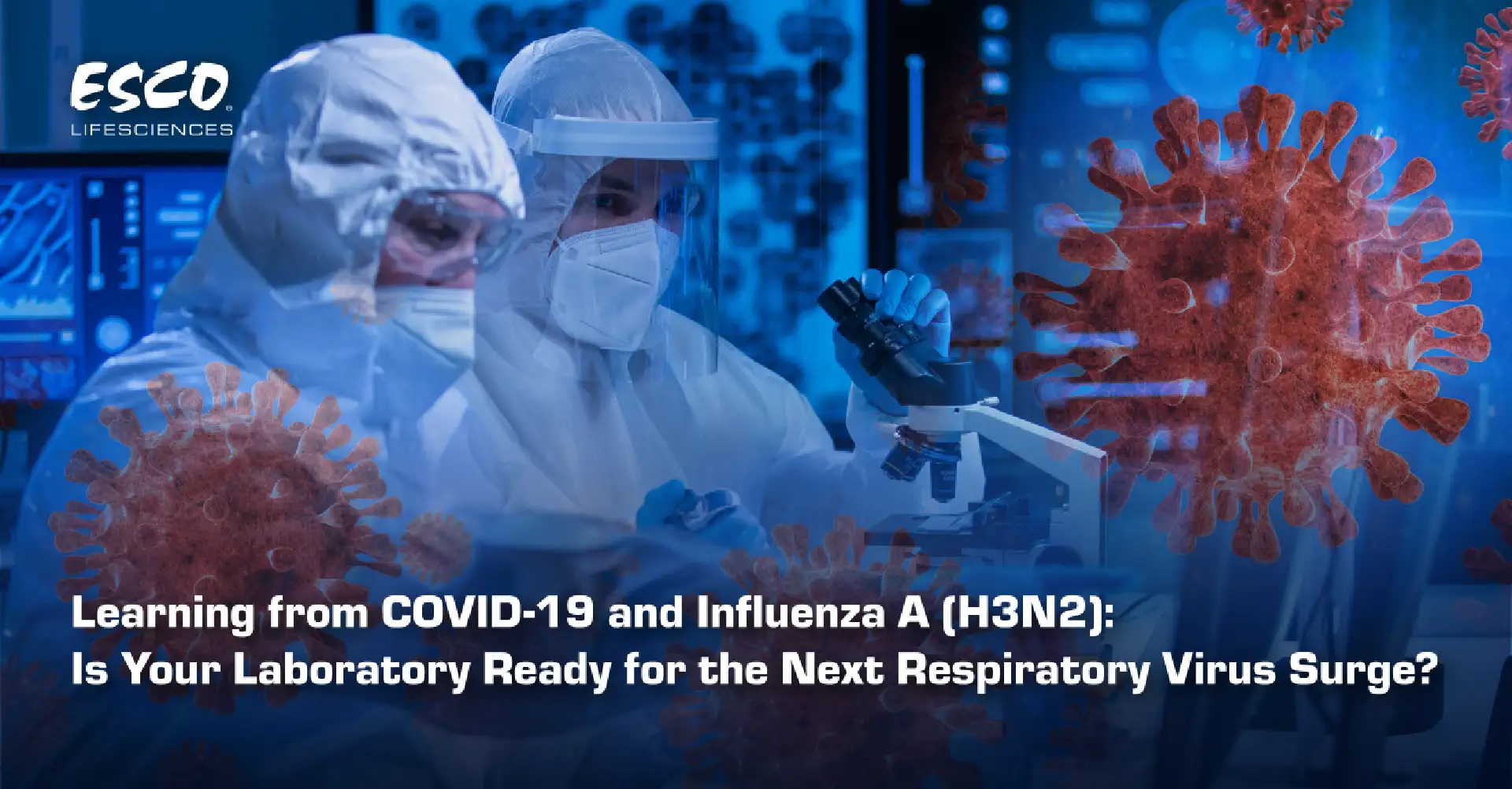
The COVID-19 pandemic demonstrated how quickly infectious diseases can place pressure on healthcare systems and diagnostic laboratories. More recently, the emergence and spread of influenza A(H3N2) subclade K across multiple countries in 2025 highlighted the importance of continued influenza surveillance and laboratory preparedness.
Although respiratory virus activity fluctuates across regions and seasons, laboratories must be prepared to handle diagnostic demands safely and efficiently. Assessing laboratory infrastructure, biosafety practices, and equipment suitability before demand increases can help facilities prepare for future seasonal surges and emerging infectious disease threats.
Preparing Your Laboratory Starts with Biosafety
Laboratories handling respiratory specimens should establish appropriate biosafety measures based on the specimens being processed, the procedures performed, and the associated risks.
According to CDC guidance for diagnostic testing involving specimens potentially containing novel influenza A viruses, routine diagnostic specimen processing should be conducted in Biosafety Level 2 (BSL-2) laboratory facilities, following the applicable biosafety practices and safety equipment requirements.
Depending on the procedure and risk assessment, these precautions may include:
- Appropriate laboratory coats or gowns.
- Eye and face protection when indicated by the risk assessment.
- Gloves when handling potentially infectious materials.
- Proper hand hygiene and safe specimen-handling practices.
- Appropriate containment equipment for procedures that may generate infectious aerosols.
The Role of Biological Safety Cabinets in Respiratory Diagnostics
Certain laboratory procedures, such as pipetting, vortexing, and aliquoting potentially infectious specimens, may generate aerosols or droplets that pose an exposure risk.
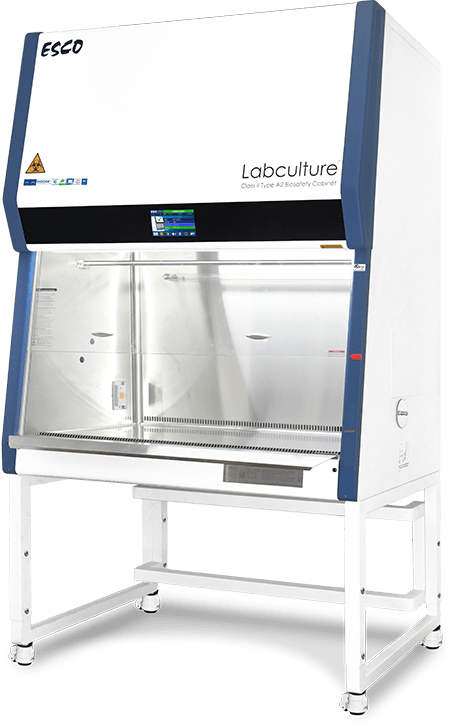
When indicated by the risk assessment and applicable biosafety guidance, a properly selected, certified, and maintained Class II Biological Safety Cabinet (BSC) provides a primary containment barrier that helps protect personnel, the work, and the surrounding environment during appropriate laboratory procedures.
However, a BSC is only one component of a comprehensive biosafety program. Safe laboratory operations also depend on appropriate procedures, personnel training, equipment maintenance, and compliance with applicable biosafety requirements.
Is Your Laboratory Ready for the Next Surge?
Laboratory preparedness involves more than having diagnostic equipment available. Facilities should periodically evaluate whether their existing infrastructure remains suitable for their current and anticipated workflows.
Consider the following questions:
- Is your existing containment equipment suitable for the procedures performed in your laboratory?
- Are your BSCs appropriately certified and maintained?
- Do laboratory personnel receive appropriate biosafety training?
- Are specimen-handling procedures aligned with current guidance and risk assessments?
- Can your laboratory maintain safe workflows if diagnostic demand increases?
Reviewing these factors in advance can help laboratories identify equipment or procedural gaps before they become operational challenges.
Prepare your Laboratory with Esco
Esco offers Biological Safety Cabinets designed for laboratory applications requiring appropriate primary containment.
When evaluating a BSC, laboratories should consider the intended application, protection requirements, cabinet certification, installation conditions, and maintenance needs.
Explore Esco's Biological Safety Cabinet range to identify a solution suitable for your laboratory's workflow and biosafety requirements.


References
- [1] Seasonal influenza - Global situation, December 2025. https://www.who.int/emergencies/disease-outbreak-news/item/2025-DON586
- [2] What You Need to Know About Influenza A, October 2025. https://www.health.com/influenza-a-8350242
- [3] Guidelines for Laboratory Biosafety: Handling and Processing Specimens Associated with Novel Influenza A Viruses, Including Potential A(H5N1) Virus, May 2025. https://www.cdc.gov/bird-flu/php/severe-potential/guidelines-for-laboratory-biosafety.html
- [4] Comprehensive Management of Influenza A (H1N1 and H3N2): 2025–2026 Clinical Protocols and Pharmaceutical Solutions, January 2026. https://tajpharmagroup.com/comprehensive-management-of-influenza-a-h1n1-and-h3n2-2025-2026-clinical-protocols-and-pharmaceutical-solutions/
- [5] Flu Levels Rising: Influenza A Dominant in 2026, January 2026. https://www.lifetechnology.com/blogs/life-technology-medical-news/flu-levels-rising-influenza-a-dominant-in-2026