Supporting Every Stage of the Laboratory Workflow
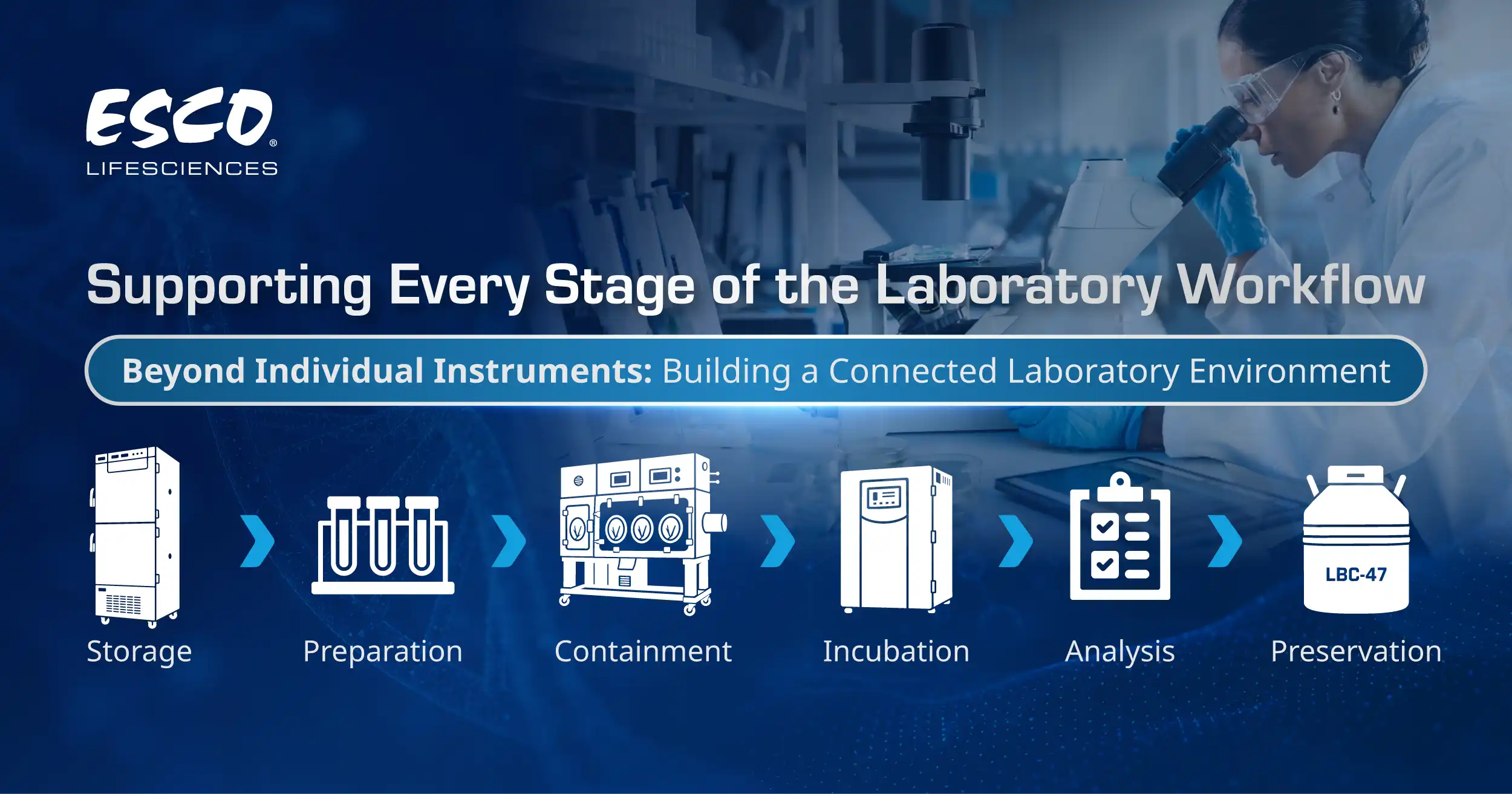
Beyond Individual Instruments: Building a Connected Laboratory Environment
Modern laboratories rely on a wide range of equipment to support daily operations. From storing critical samples and preparing materials to conducting experiments and preserving valuable assets, each stage of the laboratory process plays an important role in ensuring efficiency, consistency, and reliable outcomes.
Yet laboratory equipment is often evaluated one product at a time.
While each instrument serves a specific purpose, laboratory operations are rarely isolated. Every process is connected to the next, creating a workflow that depends on multiple systems working together.
As laboratories continue to grow and evolve, many organizations are beginning to view equipment planning through a broader lens—focusing not only on individual instruments, but on the workflow as a whole.
Stage 1: Sample and Reagent Storage
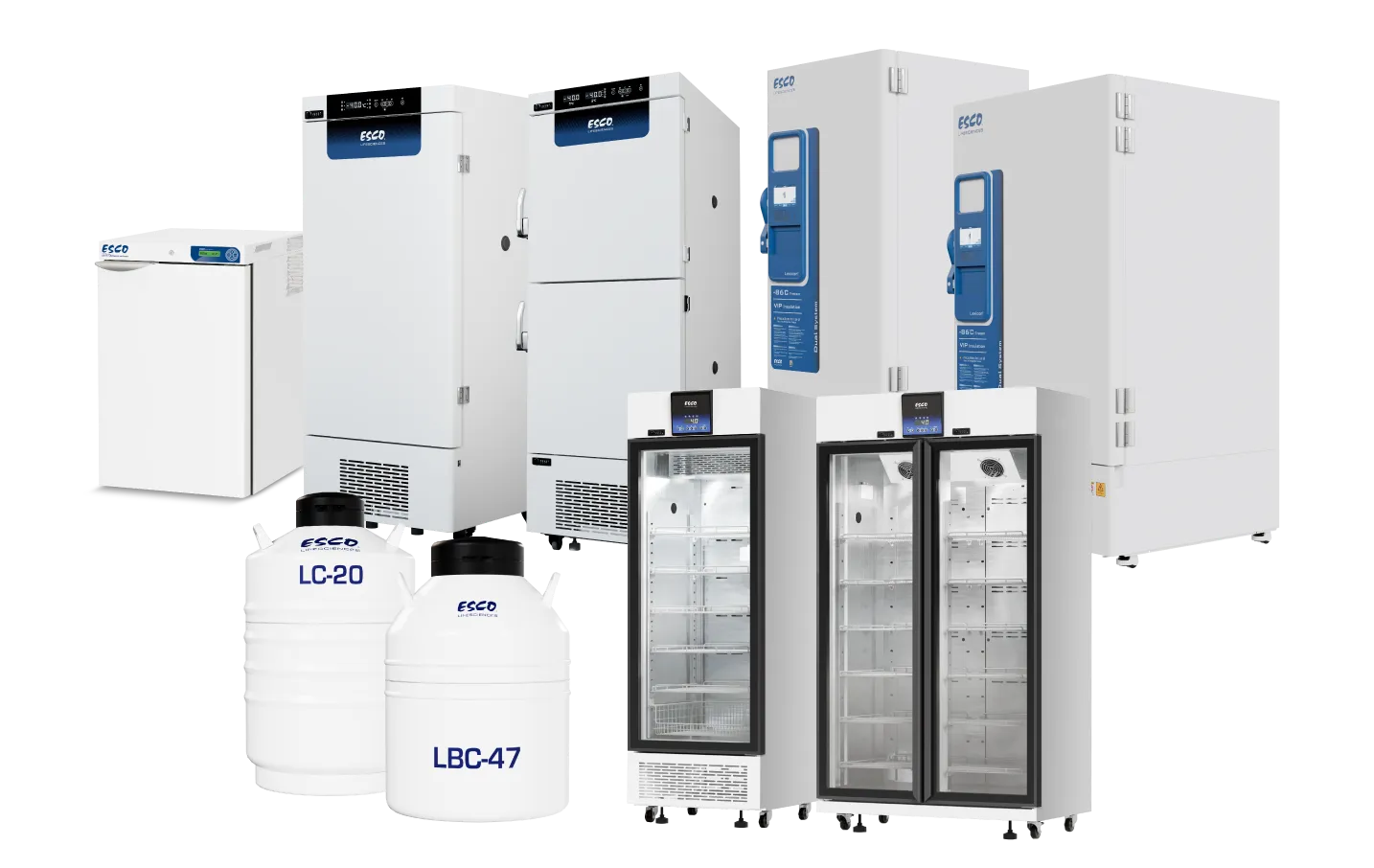
Every laboratory workflow begins with storage.
Samples, reagents, media, standards, and reference materials must be maintained under appropriate conditions to preserve integrity and ensure consistent results.
Depending on application requirements, laboratories may utilize:
- Laboratory Refrigerators
- Laboratory Freezers
- Ultra-Low Temperature (ULT) Freezers
- Liquid Nitrogen (LN₂) Storage Systems
Reliable storage conditions help maintain material integrity throughout the laboratory workflow, supporting both immediate use and future applications.
Stage 2: Sample Preparation
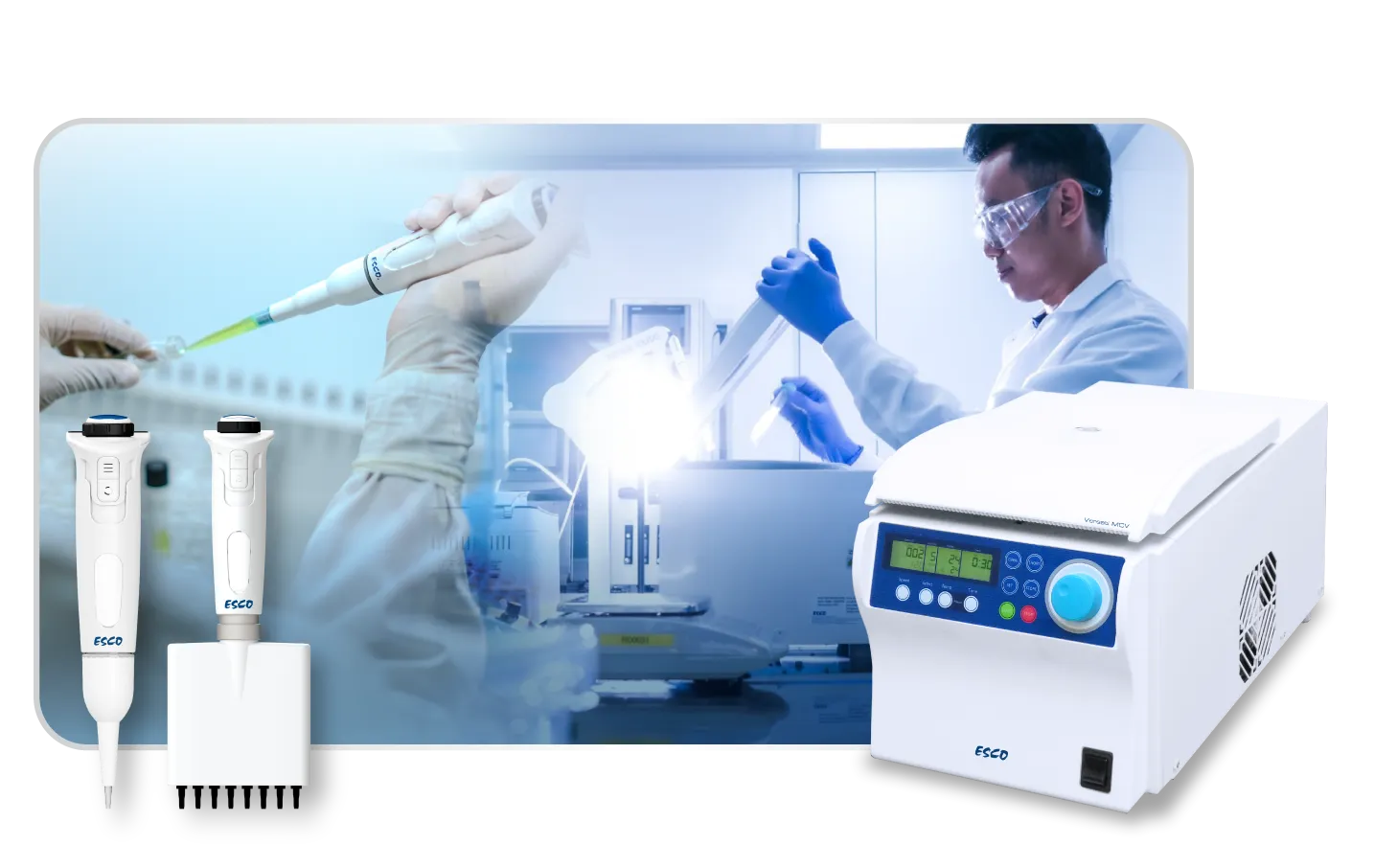
Before testing, culturing, or analysis can begin, samples often require preparation.
This stage may involve aliquoting, mixing, dilution, concentration, or separation procedures that demand both precision and repeatability.
Common laboratory tools used during sample preparation include:
- Pipettes for accurate liquid handling
- Centrifuges for sample separation and concentration
Maintaining consistency at this stage helps improve reproducibility and supports the quality of subsequent processes.
Stage 3: Protected Handling and Containment
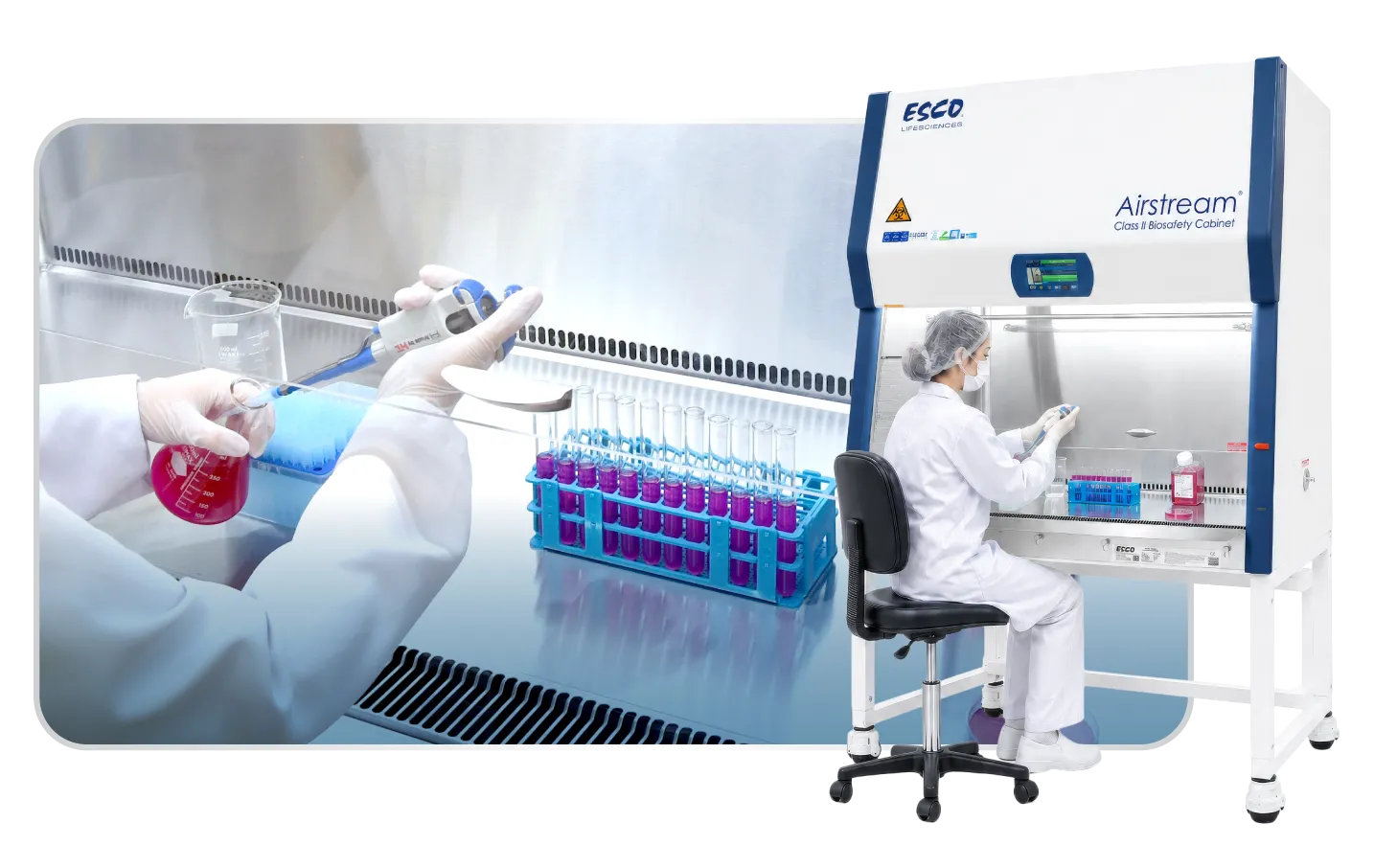
Many laboratory procedures involve handling biological materials, sterile products, chemicals, or other sensitive substances that require controlled environments.
Depending on the application, laboratories may use:
These systems help provide appropriate levels of protection for personnel, products, and the surrounding environment while supporting laboratory best practices.
By creating controlled workspaces, laboratories can reduce contamination risks and improve process consistency.
Stage 4: Culture and Incubation
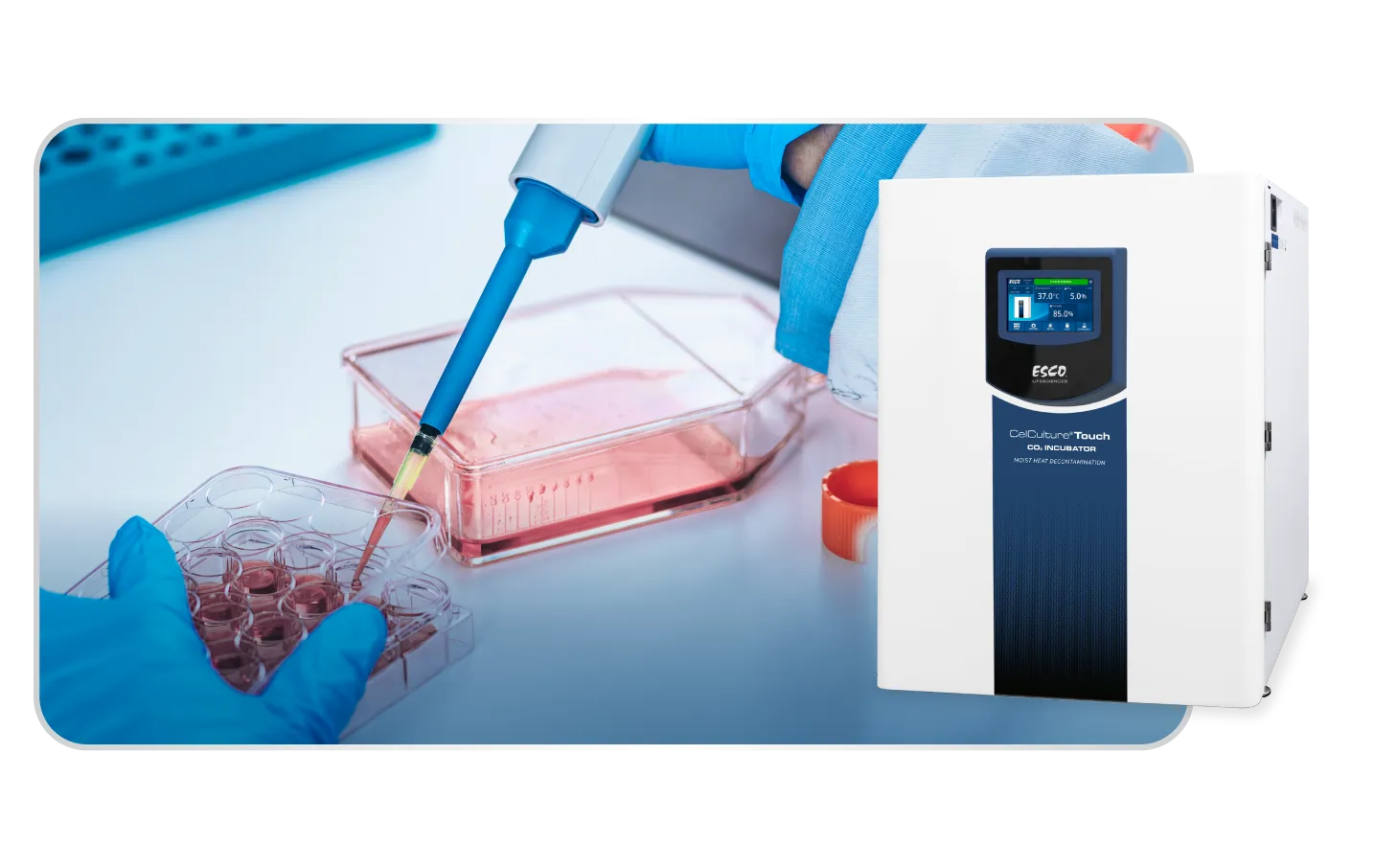
Research, development, and quality control laboratories often require controlled environments to support the growth and maintenance of biological samples.
Environmental stability is critical to achieving reliable outcomes.
Equipment commonly used during this stage includes:
- CO₂ Incubators for cell culture applications
- Incubator Shakers for microbial culture and suspension-based workflows
Carefully controlled temperature and environmental conditions help support healthy growth, reproducibility, and process reliability.
Stage 5: Analysis and Quality Preparation
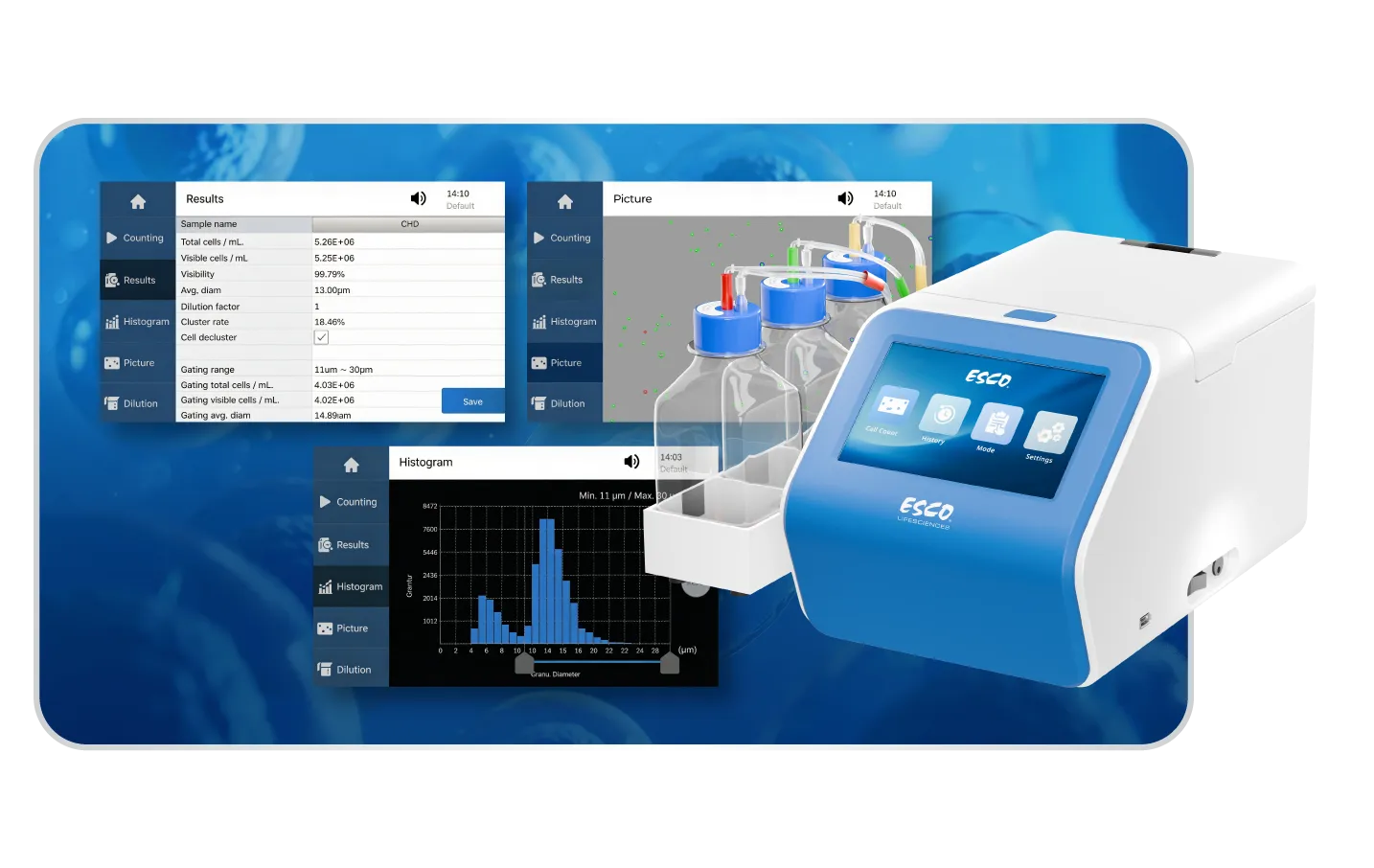
Many workflows involve evaluating samples before proceeding to the next stage of research, testing, or production.
This may include assessing cell concentration, viability, sample quality, or preparing materials for analytical testing and documentation.
Equipment commonly used during this stage includes:
For cell-based applications, cell counting and viability assessment provide valuable information that helps laboratories make informed decisions regarding culture conditions, sample preparation, and downstream processes.
Standardized preparation and analysis procedures contribute to data consistency and help laboratories maintain confidence in their results.
Looking Beyond Individual Equipment
While each stage of the workflow serves a different purpose, laboratories often face a common operational challenge: managing multiple equipment suppliers across a single laboratory environment.
Storage equipment may come from one vendor.
Containment equipment from another.
Incubation systems from a third.
Over time, this can create additional complexity through multiple procurement channels, separate service contacts, different maintenance schedules, and varying support experiences.
As laboratories expand, managing equipment can become just as important as selecting it.
The Benefits of a Workflow-Based Approach
A workflow-based approach considers how equipment supports the laboratory as a connected system rather than as a collection of standalone instruments.
By evaluating infrastructure across the entire workflow, laboratories may benefit from:
- Simplified procurement processes
- Reduced vendor management complexity
- Consistent service and support experiences
- Streamlined maintenance planning
- Coordinated installation and commissioning
- Improved operational efficiency
Most importantly, it allows laboratory teams to focus on their research, testing, and innovation rather than managing multiple equipment providers.
At Esco, we believe laboratory infrastructure should be designed around the workflow it supports. By offering solutions across multiple stages of the laboratory process, we help laboratories simplify equipment sourcing, streamline support, and create environments that are efficient, reliable, and ready to grow.
Great research starts with the right workflow, and the right partner to support it.
Frequently Asked Questions
1. What is a laboratory workflow?
Laboratory operations are rarely isolated. Every process is connected to the next, creating a workflow that depends on multiple systems working together, from storage and sample preparation to protected handling, culture and incubation, and analysis.
2. What equipment is used for sample and reagent storage?
Depending on application requirements, laboratories may use laboratory refrigerators, laboratory freezers, ultra-low temperature (ULT) freezers, and liquid nitrogen (LN₂) storage systems. Reliable storage conditions help maintain material integrity throughout the laboratory workflow.
3. What equipment is used for protected handling and containment?
Depending on the application, laboratories may use biological safety cabinets (BSCs), laminar flow cabinets, and fume hoods. These systems help provide appropriate levels of protection for personnel, products, and the surrounding environment.
4. What equipment is used for culture and incubation?
Equipment commonly used during this stage includes CO₂ incubators for cell culture applications and incubator shakers for microbial culture and suspension-based workflows.
5. What are the benefits of a workflow-based approach?
Laboratories may benefit from simplified procurement processes, reduced vendor management complexity, consistent service and support experiences, streamlined maintenance planning, coordinated installation and commissioning, and improved operational efficiency.